

8·
4 months agoInteresting. This feels like a variant of EMDR which is a pretty well-known therapy but isn’t mentioned in the article
https://my.clevelandclinic.org/health/treatments/22641-emdr-therapy
Interesting. This feels like a variant of EMDR which is a pretty well-known therapy but isn’t mentioned in the article
https://my.clevelandclinic.org/health/treatments/22641-emdr-therapy
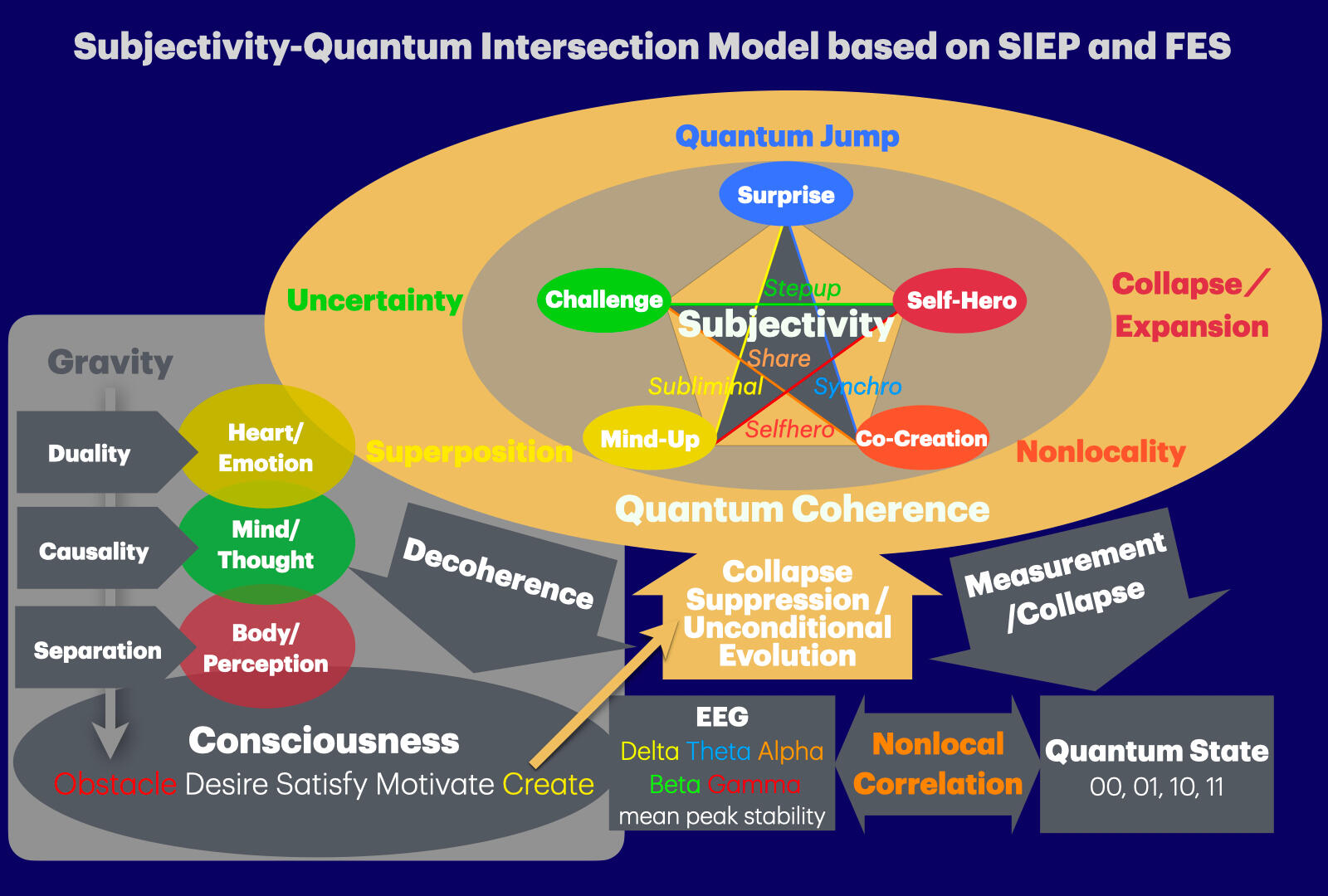
The author’s credentials do not indicate any professional scientific training. Their only professional affiliation is the “institute” that they founded and has no other apparent membership. There are three manuscripts associated with their ORCID, all single-author with the same affiliation above. Two of those manuscripts have definitely not passed peer review, the third likely has not either but it’s not immediately clear. On the institute’s website the author is called a “revelation philosopher”. This PowerPoint graphic claims to explain their theory https://siel.global/assets/images/image01.jpg?v=6b7feba2
Any one of these things would be a red flag for scientific legitimacy. Together they are a recipe for pseudoscientific nonsense

I’ve been using bitwig on Linux for hobby production for about a year now. It works but it’s fairly buggy, with very sluggish controls and more frequent plugin crashes. I despise windows so won’t go back, but I’d also love to see continued improvement. One big step would be for more plugin developers to release CLAP versions.

I don’t know the full process for making these, but I can take a fairly educated guess.
First they are going to take the DNA sample and use a reaction called PCR to amplify it. This will copy a small section of DNA, not the whole sequence. For the PCR to work for all of their customers, this has to be a region* that nearly everyone has in their DNA.
They then take the PCR product and treat it with different enzymes that are like molecular scissors which will chop at specific sub-sequences. The personal nature of the art comes from small differences between people in the region amplified in the original PCR. Different sequence = different cuts = different lengths of pieces.
They then run the enzyme digests on a gel, which is like a slab of thick jello. The bigger the piece, the slower it moves so the pieces separate. The lanes on the sides are a standard “ladder” of known sized pieces. You can visualize these gels under a UV lamp.
They can either use molecular tags or, more likely, photoshop to make the art piece look more interesting.
There is not any actual sequencing of the DNA happening in this process, and the band patterns are pretty low-resolution so it’s unlikely that this could be used to identify someone.
If this is a legitimate operation, then there is not a situation where the art company has an unsecured disk with lots of DNA sequences on it.
All that said, the concern about sharing genetic material with random companies is valid because they could also sequence it if they wanted to, but that would be relatively expensive and actively malicious. I believe the risk is low but non-zero, and everyone will have a different comfort level with that.
If you want alternative options you might be able to find an open lab or local college that will work with you to run your own PCR and gel, then photoshop the result yourself.
Hope that helps you make a more informed decision.
*To be a little more pedantic, everyone has to have the same ends of the region where the copying starts and stops. The part in between, which is a small fraction of your total DNA, can still be different.

Isn’t that the same as “organizing a campaign”?

Going full Infinite Jest
The harm comes from the mental health and societal impacts of the “always be afraid” mentality pushed by public figures and the media
Academic publishers are parasites.
I have been working through a textbook this week that has a copyleft statement on every page, and was written by a government scientist who did not get paid to do it. When you access it through the publisher website there is a copyright and they’re charging $200 for access.
Replacing the human expert with a word-guessing machine is a logical progression in their unabashed rent seeking.
according to a report by the Pesticide Action Network UK (Pan UK), the Women’s Environmental Network and the Pesticide Collaboration
At least two of the groups behind the study have an axe to grind here. This isn’t good science.
Chitin is a real biopolymer that makes up shells.
There are some organisms that have been modified to produce polymers from varuous food sources, but those are more for biofermentation production processes than something the organisms would use as a shell